
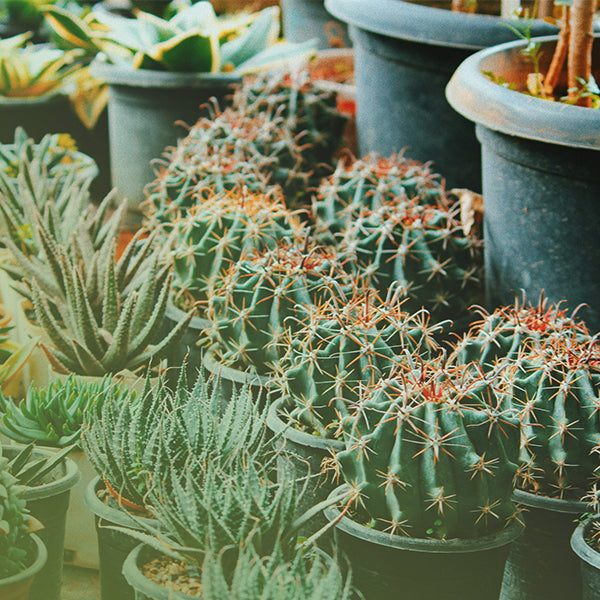
Welcome to the cactus side of gardening. These plants reward you for leaving them alone more than for fussing over them, which makes them one of the easiest places to start. This is our all-in-one overview. For a deep dive on any single piece, we link out to our full guides along the way.

How much light does a cactus need?
Cacti are desert plants, so give them the brightest spot you have. A south or west-facing window works well indoors, and most cacti want at least six hours of direct sun a day once they are acclimated. If your plant starts stretching, leaning toward the light, or losing its color, that is a sign it needs more sun, not less.
Getting started, in order
- Pick a bright spot. South or west-facing windows indoors, full sun outdoors once acclimated.
- Use a pot with a drainage hole and a gritty cactus or succulent mix.
- Water only when the soil is bone dry, then soak deeply and let it dry out again.
- Feed lightly during the growing season, skip it entirely in fall and winter.
What soil and pot should I use?
Good drainage matters more than almost anything else. A cactus sitting in wet soil is a cactus at risk of root rot, so skip regular potting soil and use a cactus or succulent mix, ideally one cut with pumice or coarse sand. Always choose a pot with a drainage hole. Terracotta is a good default because it wicks moisture out faster than plastic or glazed ceramic, which helps forgive an accidental extra watering.
How do I water a cactus?
This is the part beginners worry about most, and the short version is: water only when the soil is completely dry, then soak it deeply until water runs from the drainage hole, and wait until it is dry again before the next watering. Never water on a fixed schedule. Overwatering is the number one reason cacti die, by far, so when in doubt, wait. For the full method with the finger test and seasonal timing, read How Often to Water a Cactus: The Soak and Dry Method.
Should I fertilize my cactus?
A little goes a long way. During the spring and summer growing season, a balanced fertilizer diluted to half strength, applied about once a month, gives your cactus a boost. Skip fertilizing entirely during fall and winter dormancy, when the plant is not actively growing and won't use it.
When do I repot?
Most cacti are happy in the same pot for two to three years. Signs it is time: roots growing out of the drainage hole, a plant that has clearly outgrown its container, or soil that has broken down and stopped draining well. Repot into dry soil, and hold off watering for about a week afterward to let any disturbed roots settle.
Want the full watering method?
Every detail on soak and dry, seasonal timing, and how to check soil moisture.
Read the watering guide →Not sure what type you have?
A beginner-friendly breakdown of the main kinds of cactus and how they differ.
Read types of cactus →The quick version
- Bright light, at least six hours of direct sun for most cacti.
- A draining pot and a gritty cactus mix, always.
- Water only when the soil is fully dry, never on a schedule.
- Light fertilizer in the growing season, none in dormancy.
- Repot every two to three years, or when roots outgrow the pot.